The Guide to Mexico City
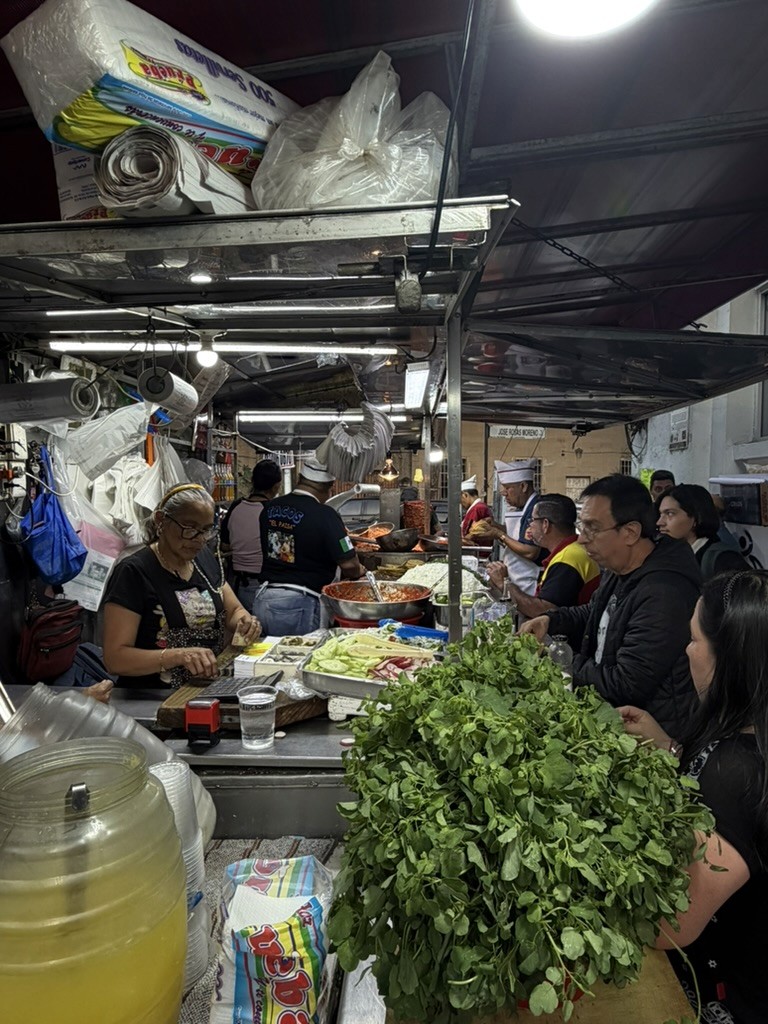
Where we'd eat, drink, and walk if we landed tomorrow. Map at the bottom.
CDMX in 2026 is what Barcelona was in 2008. Better food, better hotels, a creative class that hasn't been priced out yet. The city Americans were nervous about a decade ago is now one of the most exciting food capitals on earth.
The food alone justifies the flight.
Here's how we'd actually spend it.
Things to do
Walk Avenida Amsterdam from end to end. It's the spine of Hipódromo and Condesa, lined with jacarandas, flanked by the kind of cafés and bakeries that locals actually keep going back to. Walk it once in the morning, once at sunset, and you'll understand why people move here.
Do a food tour, but the right one. Eat Like a Local MX (@eatlikealocalmx) is the proper introduction: street stalls, market stops, the carbohydrate baseline laid down by someone who can read a tortilla. Then, if you have a second day in you, book a private with Lydia (@mexicocitystreets) and Miryam (@sierra.miryam). Smaller, slower, more deliberate, and it finishes with a mezcal flight at Tlecan, which is one of the actual best bars in the world, and where Miryam happens to work. Miryam, if you're reading this: thank you again.
Being taco'd out is a real condition.
Get out of the food bubble for an afternoon. Mercado Tacuba and Santa María la Ribera give you a different city, more local, more loud, less Instagrammed. Pick up a tamale at Tamales Cintli on the way out and eat it walking.
Where to stay
Casa Polanco is one of my favourite small luxury hotel sin the city. Las Alcobas for the bigger Polanco option that gets the service right. Brick Hotel in Roma for the boutique play that puts you in the middle of where you actually want to spend your time. Avoid the chain towers on Reforma. They're hotels for business trips, not for this one.
Where to eat
Tacos. El Califa de León in San Rafael is the Michelin-starred taqueria, four options, no chairs, run by one man. Taqueria Los Parados in Roma Sur for the late-night version that doesn't pretend. Cariñito Tacos in Roma Norte for the Peruvian-Mexican crossover that shouldn't work and absolutely does. Quekas San Cosme for quesadillas done with the right masa.
Sit-down Mexican. Contramar is the institution. Do the tuna tostada and the split fish, lunch only, book ahead. Con Vista al Mar in Roma is the quieter seafood alternative when Contramar is full, which it always is. La Tonina for northern Mexican done properly. Maizajo in Condesa for a corn-first kitchen worth the trip on its own.
The fusion plays. Masala y Maiz in Centro is the Indian, East African, and Mexican kitchen that won every list it should have. Choza in Roma Norte for Asian fusion that doesn't feel forced.
Tortas, sandwiches, the in-between. Tortas al Fuego in Hipódromo is open essentially around the clock and is the late-night meal the city was built on.
Bakeries, coffee, breakfast. Odette is the bakery to know, get there before the guava pastries are gone. Niddo in Juárez for the long, sit-down breakfast with people who are actually awake. Café Tormenta and Raku for the Roma coffee mornings. Macram in San Rafael for pasteles tres leches done the way it should be.
Bars, Tlecan for mezcal. Go early, sit at the bar.
Need to know
Best months: October through April. Within that, late February to early April is the sweet spot, jacarandas blooming, dry, warm but not hot.
The altitude is real. CDMX is at 2,240 metres. Drink water on day one, sleep early, and don't book the heavy mezcal night for your first night.
Use Uber, not street taxis. The city is also more walkable than people expect once you're inside Roma and Condesa, which is most of the reason to stay there. Public transport is safe and good as well.
The Mr Katz Shortlist
Travel like mr katz
Every trip is bespoke and unique, let us plan your next trip together.

Anything is possible