When's the Best Time to Visit Africa?
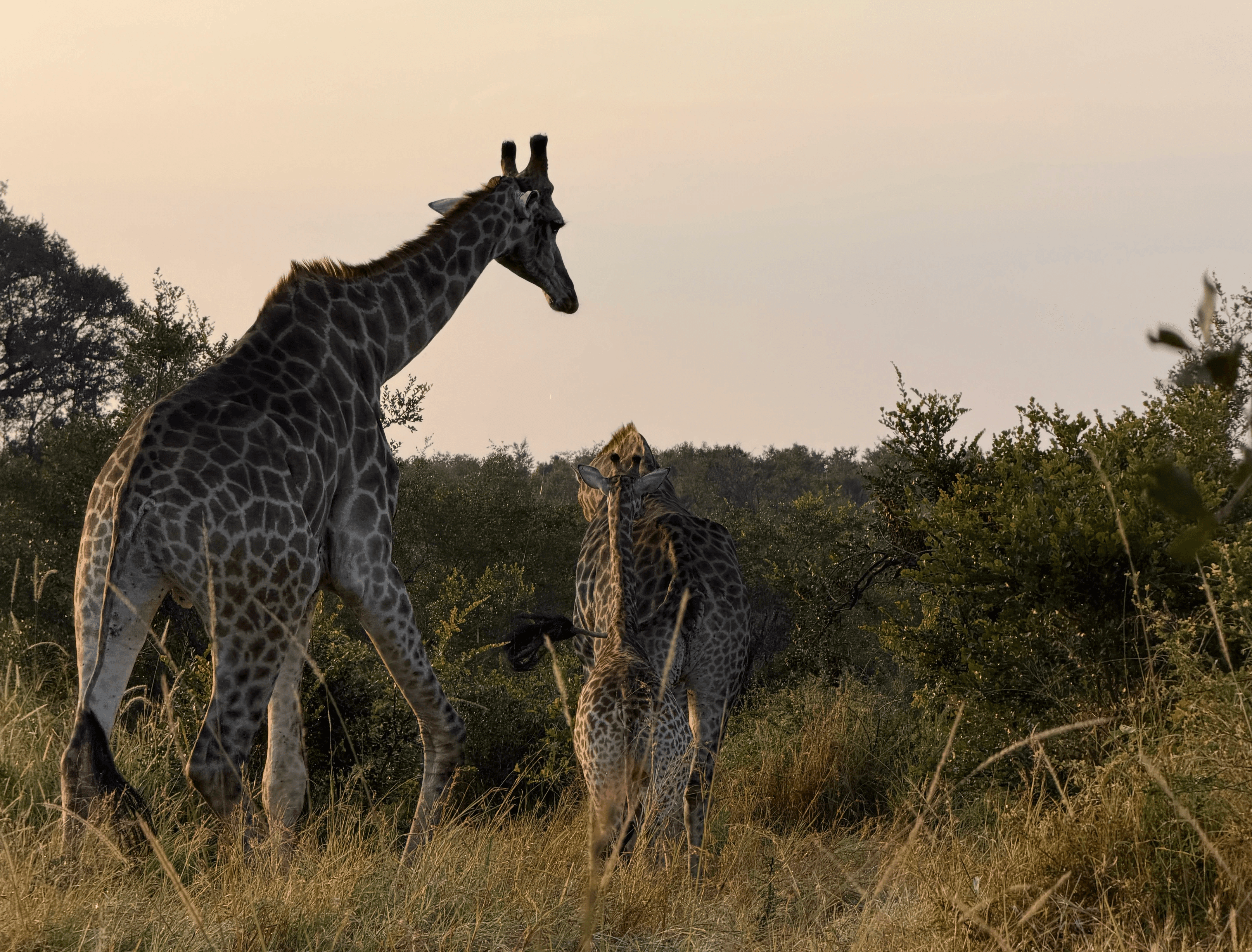
The short answer is "it depends." The long answer is worth reading.
Every week someone emails us asking when they should visit Africa, as if Africa were Mallorca. It isn't. Africa is fifty-four countries and multiple safari regions that don't share a season between them. The answer to when to go depends on what you're going for.
Here's what we actually tell people.
Start with the trip, not the calendar
The biggest mistake we see is working backwards from the dates. Someone picks a week off work and asks us to find the best trip inside it. The better version is to pick the experience and let the experience pick the week. The rest of this is a list of experiences and when to take them.
If you want the Migration
There are one migration and two moments that people travel for;
The one you've seen on Instagram (wildebeest throwing themselves into a river while crocodiles do the rest) happens in the northern Serengeti and the Masai Mara from late July through early October. If you want the river crossings specifically, book a camp on the Mara River for the back half of August or the front half of September. The rest of the calendar is a lottery.
The one most people have never heard of is the calving. Late January through mid-March, on the southern Serengeti plains. Half a million wildebeest give birth over the space of about three weeks. Predators stay full, rates drop, camps aren't booked out two years ahead. In our view, the better of the two Migrations.
If you want the cats
Big-cat viewing is a dry-season sport. The grass is short, the animals are thirsty, and no one has anywhere to hide. June through October is the core window in Southern Africa. Go to Sabi Sand or Madikwe for leopards at close range.
If you want to walk
Walking safaris aren't a year-round thing. The grass has to be low and the ground has to be hard. Done right, a walking safari is the most interesting way to see wildlife in Africa, because nothing stands between you and the elephant except your guide, your wits, and a rifle none of you hope he dose not have to use.
If you want gorillas
Uganda and Rwanda both work year-round in theory. In practice, the trek is miserable in the long rains. Go between June and September or late December through early February. Both are drier windows. Rwanda is pricier and more polished. Uganda is cheaper and harder.
If you want Cape Town
Cape Town is a summer city. November through March. The mountain is clear, the beaches behave themselves, and the Stellenbosch estates are at their best.
If you want whales
Southern right whales arrive off Hermanus in June and stay until November. The peak is September. If you're already in the Cape for a winter safari, you are two hours from what is, without much argument, the best land-based whale watching in the world.
If you want it cheaper
Green season. November through April. Camps cut rates by thirty to forty percent, the photography is better, and every experienced safari traveller we've sent in this window has come back happy. First-timers occasionally don't, because they turned up expecting The Lion King and got a bird book. This is a second-safari trip, not a first-safari trip.
If you want beaches after the bush
Zanzibar is best June through October. The Bazaruto archipelago in Mozambique is best May through October. Both pair cleanly with East or Southern African safaris in peak dry. Ignore anyone who tells you the tropical coast of Africa has a single clean dry season. It doesn't.
If you just want the answer
For a textbook first safari, late August into early September.
For a quieter version of the same trip at two-thirds the price, early March.
For a honeymoon doing Cape Town and then the bush, late October into November.
For the second safari, when you want a different kind of beautiful, green season in the Okavango.
Everything else is a conversation. Send us a note.
Travel like mr katz
Every trip is bespoke and unique, let us plan your next trip together.

Anything is possible